After weeks of bitter cold across Northeast Ohio, we’re finally seeing temperatures climb. The snow is melting, the ice is loosening its grip, and for the first time in a while, it feels like we can breathe again. But before you break out the tanning lotion or start celebrating spring early, there’s something every homeowner needs to know: we’re not out of the woods. Not yet. When temperatures rise quickly, melting snow can expose electrical problems that have been hiding all winter. Here’s what to watch for and how to keep your home safe as everything thaws.
Why the Thaw Matters: Winter Hid the Problems, Melting Snow Reveals Them
When temperatures dip into the single digits, electrical issues tend to stay quiet. Wires stiffen, equipment strains, and moisture freezes instead of leaking, which means many problems remain hidden until warmth exposes them.
As the snow melts, you may start to notice:
- Breakers tripping more often
- Outlets not working
- Moisture near electrical equipment
- Sump pumps struggling or failing
- Water pooling where it shouldn’t
This isn’t bad luck. It’s the thaw revealing what winter buried.
1. Flooded Basements and Sump Pump Failures
When snowmelt hits frozen ground, water has nowhere to go except into your basement.
If your sump pump:
- Runs constantly
- Makes unusual noises
- Stops working
- Trips a breaker
Do not keep resetting it.
A failing pump or an electrical short can quickly turn a manageable situation into a flooded basement and a major safety hazard.
If breakers are tripping, that’s your home warning you something is wrong.
2. Water Near Your Electrical Panel Means Stop Immediately
Melting snow can push moisture through foundation cracks, joists, and even directly into electrical equipment.
If you see water near your electrical panel, remember this:
Do not touch the panel. Do not test it. Do not reset breakers.
Water contains minerals that conduct electricity. Even a small amount can lead to shock or electrocution.
Call a licensed electrician right away.
3. Roof Leaks and Wet Exterior Outlets
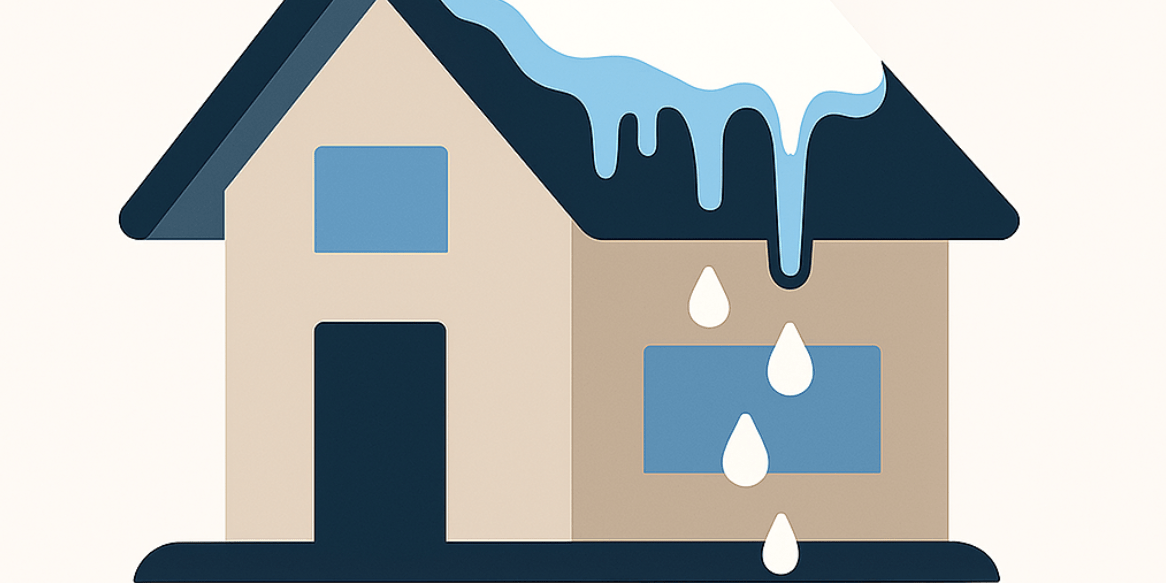
Warmer temperatures can reveal roof leaks that stayed frozen all winter. Water can travel into walls, ceilings, and yes, even your electrical system.
Keep an eye out for:
- GFCIs that won’t reset
- Outlets that feel warm or look wet
- Flickering lights after snowmelt
- Ice dams melting into exterior outlets
Any combination of moisture and electricity is a potential hazard.
4. Heating Cables Not Doing Their Job? Get Them Checked.
If your roof or gutter heating cables didn’t seem to keep up during the deep freeze, the thaw is the perfect time to have them inspected.
A licensed electrician can:
- Test the outlet powering the heating cable
- Check for shorts or damaged sections
- Verify the system is operating safely
Heating cables that only partially work are often one melt away from failing.
5. Clean Gutters for Fewer Water Issues
Snowmelt moves fast, and if your gutters aren’t ready, water ends up where it shouldn’t.
Make sure to:
- Clear out debris
- Remove ice remnants
- Check downspouts
- Ensure water drains away from the foundation
Your electrical system depends on keeping water out of the home.
Safety Reminder: Don’t Reset Breakers Without Understanding Why They Tripped
A tripped breaker isn’t an inconvenience. It’s a safety device doing its job.
Repeated resets can hide:
- Water infiltration
- Overloaded circuits
- Shorted equipment
- Failing sump pumps
- Wiring damage from extreme cold
If a breaker keeps tripping, it’s time to call a professional.
Staying Safe During the Thaw
Melting snow mixed with electricity can create dangerous conditions quickly. Paying attention now can prevent bigger problems later.
If you notice:
- Unusual smells
- Repeated breaker trips
- Water near outlets or panels
- Sump pump issues
- Exterior outlets acting up
- Heating cables underperforming
Don’t wait. A trained electrician can identify the cause and make sure your home stays safe.
AC Electric Is Here to Help
At AC Electric, we help homeowners across Cleveland, Akron, and Northeast Ohio stay safe as winter transitions into spring. If you suspect water, electrical issues, or changes in how your system is performing, we’re here to help before small problems turn into major hazards.
Stay safe. Stay aware. Stay warm.
And as always, if anything feels off, give us a call.