Staying Safe During Power Outages: What Every Homeowner Should Know
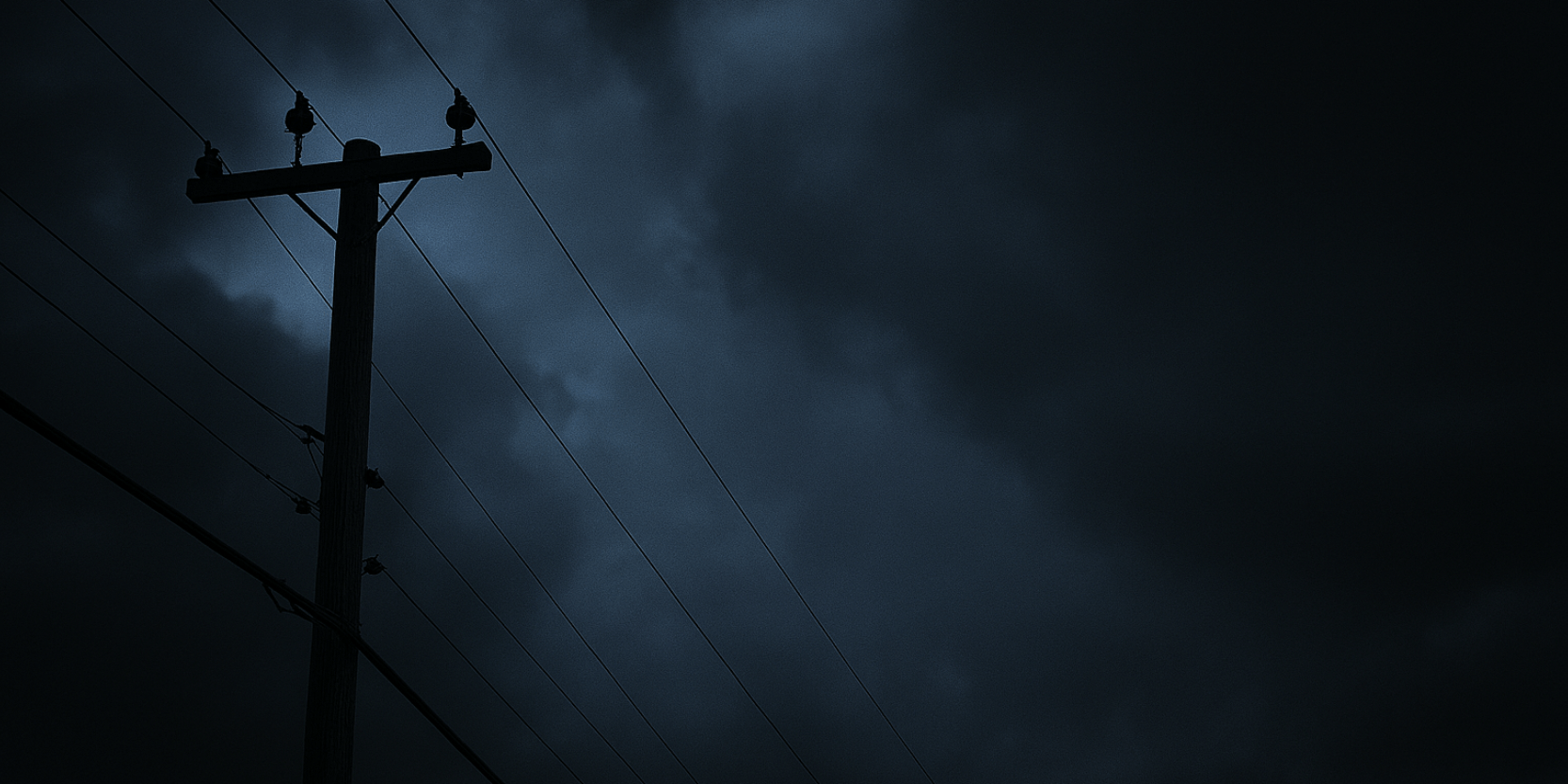
Power outages always seem to happen at the worst times—during storms, when temperatures spike or drop, or right when you need electricity the most. And while a blackout can feel like nothing more than an inconvenience, the truth is this:
Most electrical hazards happen during or right after a power outage.
That’s why this week’s Safety Tip is focused on keeping your home and family protected when the lights go out.
🔌 Why Power Outages Are More Dangerous Than People Think
When the power drops, homeowners tend to scramble—flashlights, candles, generators, portable heaters, extension cords… all things that can become hazards if used incorrectly.
Some of the most common issues we see include:
- Backfeeding from generators
- Overloaded extension cords
- Improperly placed space heaters
- Panels overloading when power is restored
The good news? Most of these risks are completely avoidable with a few simple precautions.
⚠️ The Big One: Generator Safety (What Most People Get Wrong)
Generators help keep your home comfortable during an outage — but they must be used safely. Here’s what every homeowner should know:
1. Never run a generator indoors
Not in the garage.
Not on the porch.
Not even with the door cracked open.
Generators give off carbon monoxide — a deadly gas that can build up in minutes.
2. Keep it at least 20 feet away from the home
Preferably downwind from doors and windows.
3. Never plug a generator into a wall outlet
This is called backfeeding, and it’s one of the most dangerous mistakes homeowners make.
It can send electricity back up the utility lines, putting you, your neighbors, and even utility workers at risk.
4. Use a transfer switch installed by a licensed electrician
This is the only safe way to power your panel with a generator.
If you don’t have a transfer switch, ask us—we install them regularly for Northeast Ohio homeowners.
🔥 What To Do When the Power Comes Back On
When electricity is restored, there can be a surge of power through your home’s system.
Here’s how to prevent damage:
- Turn off high‑draw appliances (space heaters, AC units, dryers).
- Reset appliances one at a time.
- Check your panel for tripped breakers or burning odors.
- If something doesn’t seem right… don’t reset the breaker. Call a pro.
A breaker that keeps tripping is trying to warn you.
🧰 Quick Safety Checklist for Any Outage
- Keep flashlights (not candles) in easy‑to‑reach spots
- Unplug electronics to avoid surge damage
- Have a backup battery for phones
- If you rely on medical equipment, have a backup plan in place
- Keep refrigerator and freezer closed as much as possible
Little steps make a big difference during an outage.
🏡 Need Help Preparing Your Home? We’ve Got You.
AC Electric helps Cleveland‑area homeowners:
- Install transfer switches
- Inspect electrical panels after storms
- Fix tripping breakers
- Diagnose power surges
- Provide generator connection solutions
- Upgrade outdated equipment
When the power goes out, your home shouldn’t feel vulnerable — and you shouldn’t have to guess what’s safe.
If you want your home to be outage‑ready before the next storm hits, we’re here to help.
📞 Call us anytime for fast, reliable service.
You’ll speak with a real local electrician who can walk you through the next steps.